

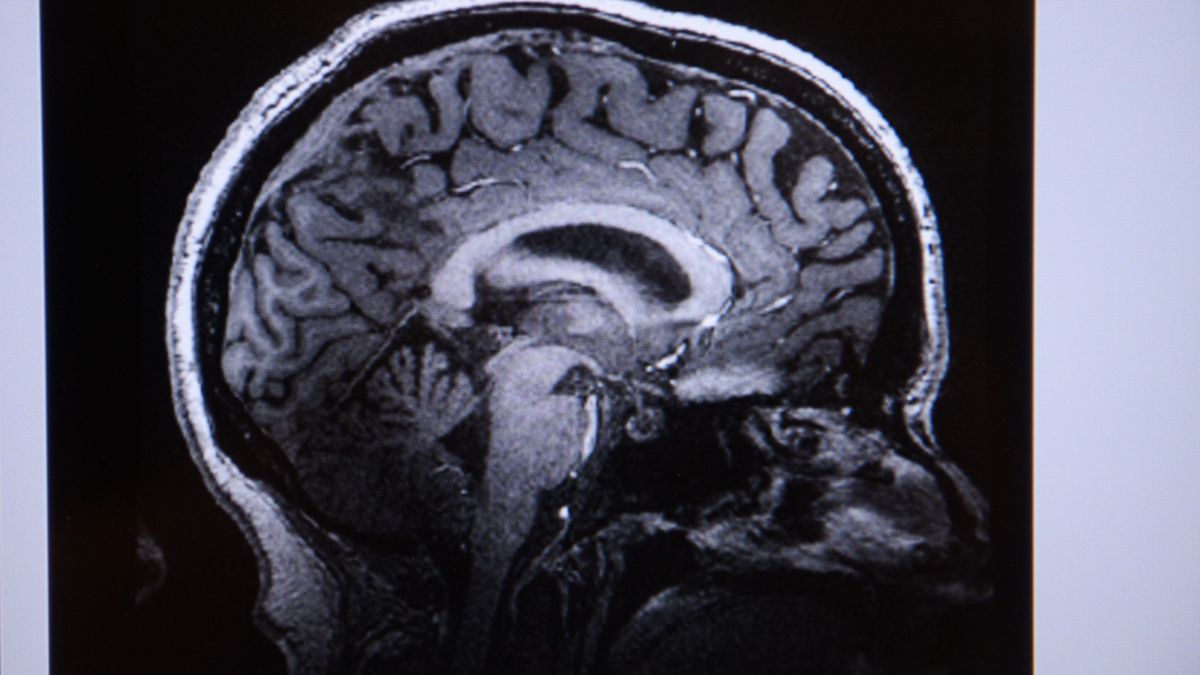
Ten years before the first memory problems appear, Alzheimer's disease is already leaving noticeable marks on the brain. That is the conclusion of researchers at Johns Hopkins University (US), infohub.kz reports.
The findings were published in the journal NeuroImage: Reports and presented at the annual meeting of the Society for Neuroscience, Neuroscience 2026. An analysis of hundreds of magnetic resonance and positron emission tomography scans showed that the entorhinal cortex and the amygdala begin to lose tissue earlier than the hippocampus and are linked to the buildup of tau protein.
Biomedical engineer Michael Miller and his colleagues analyzed hundreds of MRI and PET scans from two independent research projects. The observations covered people at different stages of the disease, including patients with no clinical symptoms, people with cognitive impairment and those who died of Alzheimer's disease.
It turned out that in the early stages of the disease, the entorhinal cortex, which is responsible for retrieving memories, and the amygdala, which is involved in processing emotional memory, lose more tissue relative to their volume than the hippocampus, which doctors traditionally examine first. In addition, the areas of gray matter thinning coincided with regions of abnormal tau protein accumulation.
According to Marilyn Albert, director of the Johns Hopkins University Alzheimer's Disease Research Center, identifying these biomarkers will help start therapy long before symptoms appear in order to slow or stop the development of dementia. The scientists next plan to study the molecular processes around tau protein clumps in order to develop new treatments.